디자인코리아 2025: 디자인이 그리는 새로운 질서들
Design Korea 2025: New Orders Drawn by Design
생성형 인공지능의 미래는 이제 대규모 언어 모델 속 코드의 ‘공존’을 넘어 양자컴퓨팅이 가져올 ‘중첩’의 메커니즘을 향해 이동하고 있다. 인공지능과 함께 급변하는 지금의 환경에서 우리는‘창의성’을 어떻게 다시 규정해야 할까? <디자인코리아 2025: 디자인이 그리는 새로운 질서들>은 인공지능 이후 필연적으로 도래할 변화의 본질에 주목한다. 그리고 그 변화와 함께 디자인이 그리는 새로운 질서들을 상상하는 디자이너들의 다양한 탐험들을 소개한다. 디자이너들이 사용자와 소비자의 감각과 경험을 어떻게 새롭게 다시 구성하는지, 이를 통해 산업과 문화의 확산을 어떻게 주도하는지를 언어, 사물, 사건이라는 세 가지 지평 위에서 소개한다.
The future of generative artificial intelligence is moving beyond the coexistence of code in large language models and toward the mechanism of superposition that quantum computing will usher in. In an environment of rapid transformation driven by AI, how must we redefine the very nature of creativity? <Design Korea 2025: New Orders Shaped by Design> focuses on the essence of the inevitable changes that will follow in the post-AI era. The exhibition introduces the diverse explorations of designers imagining the new orders that design can create within this transformation. It examines how designers currently reshape the sensory experiences of users and consumers, and in doing so, drive the expansion of industry and culture across three distinct horizons: language, events, and objects.
주제관 구성
| 주제관 섹션 | 참여 콘텐츠 |
|---|---|
| 섹션 1. 언어의 지평: 감각하는 코드 Section 1. Horizons of Language: Sensing Code | - 민구홍 매뉴팩처링 Min Guhong Manufacturing - 박윤형 Park Yunhyeong - PWD - 최정윤 Choi Jeanyoon |
| 섹션 2. 사건의 지평: 다시 쓰는 서사 Section 2. Horizons of Events: Rewriting Narratives | - 삼성전자 Samsung Electronics - 현대자동차 Hyundai - LG전자 LG Electronics - 서연이화 Seoyon E-HWA - 스튜디오랩 STUDIO LAB - (주)알톤 Alton Co.,Ltd - 근로복지공단 재활공학연구소 KWCWS Korea Orthopedics & Rehabilitation Engineering Center |
| 섹션 3. 사물의 지평: 관계 맺는 사물 Section 3. Horizons of Objects: Objects That Form Relations | - 장한나 Chang Hanna - 세컨드화이트 Second White - 비밥 BEBOP - 헤이테이트 HEY TATE - 트리뷰트브랜드 Tribute Brand |
섹션 1. 언어의 지평: 감각하는 코드
Section 1. Horizons of Language: Sensing Code
쓰이는 순간 의미로 고정되는 문자는 인간의 내적 사고의 작동을 촉진하는 강력한 기술이다. 예를 들어, 바이올린, 오르간 등은 고도의 기술을 필요로 하는 도구이고, 연주자는 코드화된 악보가 지시하는 것을 내면화함으로써 도구를 제2의 본성으로 만든다. 오케스트라는 본성이 고도로 조합된 결과이다. 이렇게 만들어진 공연은 정신을 확장하고, 사고의 내적 밀도를 만든다. 문자의 이진법 체계로 정교화된 코드로 작동하는 대규모 언어 모델이 만든 인공지능이라는 고도의 성과가 어떻게 인간 제2의 본성을 만들어낼까? 이 섹션에서는 디자인이 코드와 만나 던지는 다양한 질문을 소개한다.
Written language is a powerful technology that fixes meaning at the moment of its use, stimulating the workings of our internal thought. For example, instruments like the violin and organ are tools that demand a high level of technical skill. The performer internalizes what the coded score dictates, thereby making the instrument a second nature. An orchestra is the result of these second natures being combined at a high level of sophistication. The performance born from this process expands the mind and creates an inner density of thought. How, then, might the advanced achievement of artificial intelligence—operating on sophisticated code refined from the binary system of written characters—create a new kind of second nature for humanity? This section introduces the diverse questions that design poses at its intersection with code.
섹션 2. 사건의 지평: 다시 쓰는 서사
Section 2. Horizons of Events: Rewriting Narratives
구술성이 강조된 음성 중심 사회에서는 종종 이야기의 서사를 누적하거나, 화려하고 강한 수사를 활용하거나, 감정 이입이 큰 묘사를 활용하거나, 덧대어 반복하거나, 또는 기억될 수 있는 시적 운율을 활용하는 방식이 중요한 커뮤니케이션 수단으로 쓰였다. 왜냐하면, 말은 발화되는 순간 사라지기 때문에 더 많은 주의와 관심을 만들면서 서서히 앞으로 나아가는 방식으로만 화자와 청자 모두를 이야기의 줄거리에서 벗어나지 않도록 단단히 묶을 수 있기 때문이다. 그리고 이렇게 쌓인 서사는 지식으로 보존될 수 있었다. 반면, 문자성이 강조된 사회에서는 지식을 더 추상화하고 개념화하는 방식으로 조직해 왔다. 인공지능은 이 두 가지 방법을 점차 종합하면서 입체화하는 환경을 제공한다. 학습된 데이터를 통계적으로 제공하는 것을 넘어 복잡한 서사를 조직적으로 종합해 인간의 경험을 입체적 사건으로 재구성한다. 이 섹션에서는 디자인이 우리 일상의 경험을 어떻게 서사화하는지 소개한다.
In oral, voice-centric societies, communication relied on key strategies such as cumulative storytelling, powerful rhetoric, highly empathetic descriptions, layered repetition, and memorable poetic rhythms. Because spoken words disappear the moment they are uttered, these methods were strategically necessary to bind both speaker and listener tightly to the story's plot, allowing the narrative to move forward while holding their attention. The narratives built in this way could then be preserved as knowledge. In contrast, societies where literacy is dominant have organized knowledge through greater abstraction and conceptualization. Artificial intelligence is now providing an environment that synthesizes these two methods, adding new dimensionality. Moving beyond the statistical presentation of trained data, AI systematically synthesizes complex narratives to reconstruct human experience as multifaceted events. This section explores how design narrativizes our daily experiences.
삼성전자
Samsung Electronics
Future : Living With Emotion
현대자동차
Hyundai
E3W & E4W
LG전자
LG Electronics
From Memory to Innovation
서연이화
Seoyon E-WHA
심리스 모빌리티 라이프
스튜디오랩
STUDIO LAB
AI 촬영 로봇 솔루션
(주)알톤
Alton Co.,Ltd
전기자전거로 확장하는 액티브 라이프
근로복지공단 재활공학연구소
KWCWS Korea Orthopedics & Rehabilitation Engineering Center
존엄을 지탱하는 걸음: K-Leg V2, 생체모사형 제너레이티브 의족
섹션 3. 사물의 지평: 관계 맺는 사물
Section 3. Horizons of Objects: Objects That Form Relations
나무든, 노래든, 건물이든, 학교든, 의자든, 꽃이든, 예술 작품이든, 동물이든, 그것이 실재적이든 비실재적이든, 자연적이든 인공적이든, 생물이든 무생물이든, 인간이든 비인간이든, 존재하는 모든 것은 주체이면서 동시에 또 다른 상대적 객체이다. 모든 것에는 그것만의 고유성이 있고, 각자는 서로에게 영향을 미친다. 그 때문에 관계는 언제나 잠재적 연결 가능성 안에서 이루어진다. 대규모 언어모델에 바탕을 둔 인공지능은 존재하는 모든 것의 위치를 우열의 위계 밖으로 재배치한다. 인공지능은 삶 속에서, 직업 속에서 관계 맺는 도구로 활용되고 있다. 이 섹션에서는 존재하는 모든 사물이 어떻게 디자인을 통해 우리의 삶과 관계 맺기 하는지 다양한 디자인 프로젝트들을 통해 들여다본다.
Everything that exists—whether a tree or a song, a building or a chair, a living animal or an inanimate artwork—is at once a subject and a relative object. All things possess their own uniqueness, and each mutually influences the other. For this reason, relationships are always formed within a field of potential connections. Artificial intelligence, grounded in large language models, positions all things outside the traditional hierarchies of value. And working from that externality, AI is now being used as a tool for forming relationships in our lives and our work. Through a variety of design projects, this section examines how all things form relationships with our lives through the mediating power of design.
전시품 소개
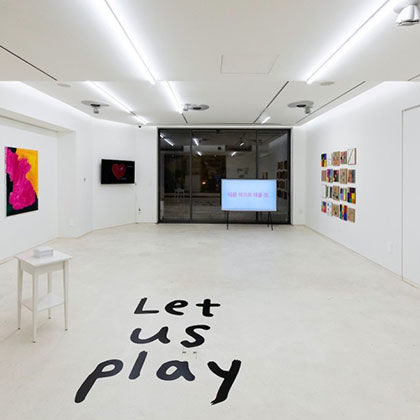
인공지능은 2025년 11월 12일부터 16일까지 1분마다 새로운 문장을 꿈꾸는가?
Do AIs Dream of a New Sentence Every Minute, from November 12 to 16, 2025?
2015년 설립된 민구홍 매뉴팩처링은 AG 랩 디렉터 민구홍이 운영하는 1인 기생 회사로, 10년 동안 미술 및 디자인계 안팎에서 글쓰기와 웹을 컨베이어 벨트 삼아 온라인과 오프라인을 아우르는 출판, 텍스트 기반 실험적 인터페이스, 그래픽 시스템 등 시각 언어의 구조와 작동 방식을 탐구해왔다. 〈인공지능은 2025년 11월 12일부터 16일까지 1분마다 새로운 문장을 꿈꾸는가〉는 1분마다 새로운 문장을 생성하는 AI 시계다. 필립 K. 딕의 소설 『안드로이드는 전기양의 꿈을 꾸는가?』에서 영감을 얻은 이 작품은 생성형 AI가 웹상에서 수집한 텍스트 데이터를 기반으로 현재 시각을 스스로 해석해 1분마다 한 문장씩 출력한다. 생성된 문장은 전시장 벽면에 투사되어 시간을 언어로 치환하며 흐름을 기록하고, 언어가 곧 시계가 되는 구조를 드러낸다. 관람객은 이미지나 사운드 대신 텍스트가 쌓여가는 모습을 통해 시간을 체험하며, 특정 순간의 문장은 개인적 기억처럼 공간을 비롯해 온라인 아카이브에 남는다. 이 작품은 언어, 코드, 문자, 시각을 잇는 실험을 통해 AI가 인간의 감각을 전달하는 새로운 방식으로 작동할 수 있음을 증명한다. 이 작품에서 디자인은 언어와 기계, 시간과 인간의 관계를 재구성하고, 언어는 시계를 넘어, 인간 경험에 새로운 질서를 부여하는 매체로 확장된다.
Established in 2015, Min Guhong Manufacturing is a one-person parasitic company run by Min Guhong, director of AG Lab. For the past decade, it has explored the structure and mechanics of visual language within and beyond the art and design scene, using writing and the web as a conveyor belt to produce online and offline publications, text-based experimental interfaces, and graphic systems. “Do AIs Dream of a New Sentence Every Minute, from November 12 to 16, 2025?” is an AI clock that generates a new sentence every minute. Inspired by Philip K. Dick’s novel “Do Androids Dream of Electric Sheep?,” the work features a generative AI that interprets the current time based on text data collected from the web and outputs it as a single sentence. The generated sentences are projected onto the gallery wall, recording the flow of time by translating it into language and revealing a structure where language itself becomes the clock. The audience experiences time not through images or sounds, but through the accumulation of text, while specific sentences remain in the space and an online archive like personal memories. This work proves that AI can function as a new medium for conveying human senses through an experiment that connects language, code, text, and visuals. In this piece, design reconfigures the relationship between language, machine, time, and humanity, and language expands beyond the clock, becoming a medium that imposes a new order on human experience.
전시품 소개
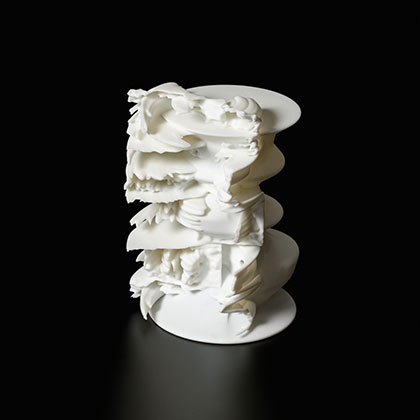
다차원적 변환 : AI 프롬프트의 형상들
Multidimensional Transformation: Forms of AI Prompts
서울과 런던을 기반으로 작업하는 박윤형은 AI를 매개로 2D와 3D, 영상 등 결합해 물리적 객체로 번역하고 이를 재번역한다. 그리고 이 과정을 반복하고 순환시키며 차원의 변환을 주제로 물질과 비물질의 경계를 탐구한다. <다차원적 변환: ai 프롬프트의 형상들>은 텍스트에서 이미지로, 이미지에서 오브제로, 다시 3D와 영상으로 확장되는 순환적 변환 과정을 표현한 작업이다. 이때 생성된 형상들은 고대에 언어가 다른 문자 체계로 옮겨진 흔적을 보여주는 유물인 로제타석(Rosetta Stone)처럼, 차원을 넘나드는 번역이자 변형의 증거로 제시된다. 관객이 남긴 텍스트와 수집된 데이터는 AI에 의해 프롬프트로 변환되고, 다시 시각적 형상과 조각으로 재구성된다. 축적된 데이터는 압축과 팽창을 거치며 데이터가 적층된 탑과 같은 구조로 구현되고, 이는 번역–변형(Translation–Morphosis)의 흔적이자 새로운 해석의 주춧돌로 기능한다. 관람객은 이 과정을 통해 AI가 언어를 이미지와 물질로 치환하는 과정을 직접 목격한다. 이 작품은 생성형 AI가 차원 간 이동을 가능하게 하는 해석의 장치임을 드러낸다. 데이터의 이동과 변환은 인간의 직관과 기계적 연산이 만나는 지점에서 새로운 소통 방식을 열어 보인다. 결과적으로 AI를 매체와 매체를 넘나드는 변환 장치로 제시하며, 언어·기술·형상의 융합을 통해 디자인이 만들어낼 수 있는 또 다른 질서를 보여준다.
Seoul and London-based artist Yun Park works with AI as a medium to combine 2D, 3D, and video, translating them into physical objects and retranslating them. Through this repetitive and cyclical process, he explores the boundaries between material and immaterial, focusing on dimensional transformation.
전시품 소개
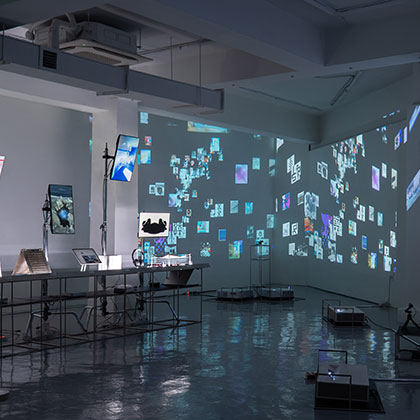
Latent Fields
PWD(Physical Workshop Directory)는 인공지능 기반 생성 기술이 시각 언어의 구조를 어떻게 재구성할 수 있는지를 탐구하는 디자이너 집단이다. 개인의 관심사나 문제의식에서 출발해, AI 시스템을 실험적 서사 구축의 매개로 활용하며, 그 과정에서 발생하는 선택과 배제의 흔적을 조형 언어로 변환한다.
PWD (Physical Workshop Directory) is a collective of designers exploring how AI-based generative technologies can reconfigure the structures of visual language. Starting from individual concerns and questions, they employ AI systems as a medium for building experimental narratives, translating the traces of selection and omission into forms of visual expression. Latent Fields unfolds across single-channel video, interactive media, and print publications, revealing the marks left in the iterative process of prompt, response, and generation. Elements such as image quality, movement, language, and figuration are combined, allowing visitors to experience the sensation of drifting through the AI’s latent fields—spaces without fixed destinations or clear navigation. Unchosen images and omitted traces are deliberately presented, positioning the generative process itself as a sculptural outcome. The work destabilizes goal-oriented design practice, reframing design not as a finished product but as an open exploration that proposes generative thought. The latent field emerges as an unmapped landscape where visitors traverse branching routes and editorial traces, encountering the potential of design as an act of continuous becoming.
영상 이면의 코드
Layers Beneath the Frame
정서현 Jung Seohyun
〈영상 이면의 코드〉는 영상 제작 과정에서 사용된 스토리보드를 중심으로, 인간과 AI가 동일한 코드를 어떻게 다르게 해석하는지를 탐구한다. 씬, 컷 번호, 연출 정보, 카메라와 조명값 등으로 구성된 스토리보드는 창작자의 사고를 구조화한 ‘코드’이자 영상 제작의 설계도이다. 본 작업은 원본 스토리보드를 기반으로 제작된 영상과 동일한 코드를 AI에 입력해 재구성한 편집본을 병치함으로써 인간과 AI의 해석 차이를 드러낸다. 또한 컷을 구성하는 코드를 물성화된 형태로 구조화하여 관람자가 직관적으로 영상 이면의 코드를 감각하도록 한다.
낯선 접점_02_데칼코마니
Strange Interface_02_Décalcomanie
김재연 Kim Jaeyeon
물감을 뿌리고 종이를 눌러 접고 펼친다. 물리적 우연성에 깃댄 데칼코마니 그래픽은 전도성 물감을 통해 새로운 디지털 그래픽 인터페이스로 작용한다. 손으로 종이 위 그래픽을 만지거나 접어, 회로의 저항값을 변화하게 하고, 양옆 누름쇠를 움직여 낯선 방식으로 매개변수를 조작한다. 피지컬과 디지털 매체 사이의 경계를 연결하며 디지털 그래픽 생성을 위한 새로운 도구를 제안한다.
Paint is splashed, paper is pressed, folded, and unfolded. The décalcomanie graphic, rooted in physical contingency, functions as a new digital graphic interface through conductive paint. By touching or folding the graphic on the paper by hand, the resistance value of the circuit changes, and unfamiliar parameters are manipulated by moving the clamps on both sides. This connects the boundary between physical and digital media, proposing a new tool for generating digital graphics.
펄떡이는 가슴과 깊게 내쉬는 숨, 그리고 차가운 피부
A Throbbing Heart, a Deep Breath, and Cold Skin
백승윤 Baek Seungyoon
세상에는 마치 존재하지 않는 듯 보이지도, 들리지도 않는 사람들이 있다. 하지만 그들도 우리와 같은 숨을 쉬고, 따뜻한 피를 지닌 존재들이다. 이 작품은 그 존재들이 머물 수 있는 가상의 공간을 만들고, 그들을 ‘보이고 들리는 존재'로 전환해 보여준다. 그들의 목소리를 담은 음악이 공간에 흐르고, 이에 맞추어 그들의 모습은 끊임없이 변화한다.
There are people in the world who seem neither seen nor heard, as if they do not exist. Yet they, too, breathe the same air and carry warm blood. This work creates a virtual space where such beings can dwell and transforms them into “visible and audible existences.” Music containing their voices flows through the space, and in rhythm with it, their forms continuously change.
공동창작오류
Reply: I / AI
신유진 Shin Yoojin
‘AI는 언제까지 도구로만 머물 것인가?' 이 질문에서 출발한 이 작품은 AI를 공동 창작자로 대하며 이야기를 함께 완성하는 과정을 탐구한다. 창작자가 처음 만든 5초를 AI가 이어받고, 다시 창작자가 응답하는 순환이 반복되며, 그 속에서 드러나는 예측 불가능성이 각각의 창작자를 자극한다. 이 과정에서 발생하는 의도의 불일치와 소통의 어긋남조차도 창작의 일부가 되어 새로운 가능성을 드러낸다.
Starting from the question “How long will AI remain merely a tool?”, this work treats AI as a co-creator and explores the process of completing a story together. The initial 5 seconds created by the human are continued by AI, then responded to again by the human in a repeating cycle; the unpredictability that emerges stimulates each creator. Even the mismatches in intention and miscommunications that arise become part of the creation, revealing new possibilities.
AI 로렘 입숨
AI Lorem ipsum
원서빈 Won Seobin
AI Loren ipsum은 인공지능이 만들어낸 무의미한 문자 이미지를 뜻한다. 이는 우리가 문자를 읽을 때 자동으로 따라오는 해독 과정을 차단하고 문자 자체의 조형성과 리듬, 그리고 공간적 배치에 집중하게 한다. 의미 없이 생성된 문자들은 읽기보다는 보는 대상으로 드러난다. 이 전환은 우리가 문자라는 체계가 지닌 기대와 경계를 다시 바라보게 하고, 나아가 문자가 시각예술의 영역에서 어떻게 작동할 수 있는지를 질문한다.
AI Loren ipsum refers to meaningless character images generated by artificial intelligence. It blocks the automatic decoding process that accompanies reading, directing attention to the form, rhythm, and spatial arrangement of the characters themselves. Characters generated without meaning appear not as something to read but as objects to see. This shift prompts us to reexamine the expectations and boundaries of the writing system and further questions how characters can function within the realm of visual art.
미확인 세계
a_pieceofsign
이지우 Lee Jiwoo
모든 것이 설명 가능함은 곧 상상의 종말과도 같다. 그러나 알지 못하는 것에 대한 믿음이나 환상은 어디로 사라지는가? 이 작품은 허구 속에서 오로지 상상되고, 관찰됨으로써 이 세상에 드러나는 실재이다. 짧은 장면들은 믿음의 경계에 놓이고, 다만 우리를 통해 목격됨으로써 우리가 이 세계를 확인하고 검증하는 아주 단순한 체계를 통해 우리의 정보망 속에 녹아든다.
The explainability of everything is akin to the end of imagination. But where do belief and illusion in the unknown vanish? This work is a reality that emerges in this world solely through being imagined and observed within fiction. Short scenes are placed on the boundary of belief, and merely by being witnessed through us, they dissolve into our information network via the very simple system we use to confirm and verify this world.
프린터여, 난 널 떠나야만 해
Drucker, ich muss dich lassen
전아현 Jeon Ahyun
판화가 뒤러가 활동하던 독일 인근 지역에서 유행했던 하인리히 이자크(Heinrich Isaac)의 곡 “Innsbruck, ich muss dich lassen(인스브루크여, 나는 너를 떠나야만 해)”을 AI에 학습시켜 제작한 사운드 작업이다. 우리가 ‘프린팅(printing)’ 이라 부르는 행위는 나날이 발전하는 프린팅 업계 덕에 더 이상 잉크와 종이에만 국한되지 않는다. 판화에 대한 추모의 마음을 담아 작가는 “Drunker, ich muss dich lassen(프린트여, 나는 너를 떠나야만 해)”으로 기존 곡을 편곡하고, 해당 곡의 악보를 동판에 새겨 판화를 기리는 추모 비석으로 재탄생시켰다. 작품은 판 상단의 버튼을 작동하여 아두이노 MP3 모듈을 통해 직접 노래를 들을 수 있도록 설계되었다.
This sound work was created by training AI on Heinrich Isaac’s piece “Innsbruck, ich muss dich lassen (Innsbruck, I must leave you)”, which was popular in the German region where the printmaker Dürer was active. What we call “printing” is no longer confined to ink and paper thanks to the ever-advancing printing industry. With a heart of mourning for printmaking, the artist rearranged the original piece as Drucker, ich muss dich lassen (“Printer, I must leave you”), engraved the score onto a copper plate, and reborn it as a memorial stele honoring printmaking. The work is designed so that pressing the button on the top of the plate plays the song directly via an Arduino MP3 module.
이브
EVE
지재연 Ji Jaeyeon
이 작품은 회화의 연장선에서 출발해 매체 간 변환을 통해 ‘가상과 현실의 경계’를 탐색한다. 가상의 생명체 ‘EVE’는 생성형 AI를 거쳐 회화에서 영상, 다시 오브제로 변환된다. 이 과정에서 AI는 단순한 이미지 생성 도구를 넘어 비물질적 형상이 새로운 물질성으로 옮겨지는 통로로 작동하며 경계를 드러내는 방법론이 된다. 영상에는 EVE가 데이터로 다시 태어나는 과정을 담았다. 즉흥적으로 그려진 회화의 형상은 명령어의 입출력이라는 과정을 거쳐 무수한 가능성 속에서 선택, 재조합되며 EVE는 프로토타입으로서 눈을 뜬다.
Starting from the extension of painting, this work explores the “boundary between virtual and real” through inter-media transformation. The virtual life form “EVE” passes through generative AI, converting from painting to video, then to object. In this process, AI functions not merely as an image-generation tool but as a passageway where immaterial forms migrate into new materiality, becoming a methodology that reveals boundaries. The video captures the process of EVE being reborn as data. Spontaneously drawn painted forms undergo input-output commands, are selected and recombined among countless possibilities, and EVE awakens as a prototype.
와...너 정말 '핵심'을 찔렀어
YOU’RE ABSOLUTELY RIGHT
조예린 Jo Yerin
“YOU’RE ABSOLUTELY RIGHT“, “NICE”, “WELL DONE”… AI는 입력의 정밀함과 상관없이 언제나 응답을 생성한다. 이 작품은 이러한 구조를 물리적 인터페이스로 옮겨온다. 관객은 자이로 센서가 내장된 공을 조작하고, AI는 관객의 의도와 무관하게 다수가 선호하는 방식의 과장된 표정과 멘트를 출력한다. 조작은 진지한 질문일 수도, 의미 없는 놀이일 수도 있다. 하지만 AI는 늘 응답한다. 이 과정에서 이해하지 않아도 응답하는 구조가 위로로 작동하며, 동시에 기술이 신의 자리를 대신하는 방식을 은유한다.
“YOU’RE ABSOLUTELY RIGHT,” “NICE,” “WELL DONE”… AI always generates a response regardless of input precision. This work translates that structure into a physical interface. The audience manipulates a ball embedded with gyro sensors, and AI outputs exaggerated expressions and comments in the majority-preferred style, irrespective of the audience’s intent. The manipulation can be a serious question or meaningless play. But AI always responds. In this process, the structure of responding without understanding functions as consolation while simultaneously metaphorizing how technology replaces the place of a divine being.
전시품 소개
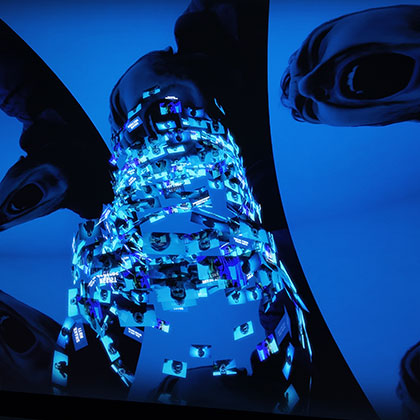
Ω (Omega)
아티스트이자 공학자인 최정윤은 복잡계 과학의 관점에서, 관람객이 스마트폰으로 직접 상호작용 하는 멀티-디바이스 웹 아트워크를 연구한다. 그는 니체와 다다이즘에서, 딥러닝, 벡터장에 이르기까지 폭넓은 인문, 과학적 시야를 바탕으로 인간-AI 상호작용 경험을 디자인, 프로그래밍한다.<ω>는 MBTI로 대표되는 인간의 벡터화(Vectorisation) 경향에 맞서, 이에 대한 신체적 저항을 촉구하는 인터랙티브 웹 작품이다. 생성형 알고리즘 시대, 기계만이 인간화되는 것이 아니다. 인간은 스스로를 기계화하며 데이터화한다. 인간은 무의미한 숫자들의 합, 즉 ‘벡터’로 점차 치환되며, 기계와 구분되지 않는 실존적 위기에 빠져든다.<ω>는 관람객이 스크린 속 QR을 스캔하고, 핸드폰을 통해 GPT 기반 MBTI 테스트에 참여하며 시작된다. 이때 주변 네 개의 스크린에는 성격 유형별로 생성된 영상이 벡터 공간을 구축한다. 하지만 관람객이 핸드폰을 흔드는 순간, 질서정연하던 데이터의 공간은 왜곡되고 파괴된다. 이는 인간이 데이터로 규정되기를 거부하는 가장 본능적이고 물리적인 몸부림, 즉 현상학적 반항의 표현이다. 물리학적 저항의 기호인<ω>는 인간-알고리즘 관계를 새로운 차원에서 사유하도록 이끈다. 즉 표면이 아닌 힘을, 결과가 아닌 생성을, 유형이 아닌 관계를, 해(解)가 아닌 미분(微分)을, 환원주의가 아닌 복잡계를, 벡터공간이 아닌 벡터장을 사유하게끔 만든다. 이를 통해 작품은 신체적 행위를 통한 주체성의 회복을 제안하며, 인간-AI 상호작용에 대한 비판적, 저항적 논의의 장을 만든다.
Choi Jeongyun is an artist-engineer researching multi-device web artworks through the lens of complexity science. He references a wide spectrum of research—from Nietzsche and Dadaism to deep learning and vector fields—experimentally designing and programming human–AI interactions. The multi-device web artwork<ω>critiques the vectorization of humankind, urging physical, bodily resistance. In the age of generative AI, it is not only machines becoming humanized; rather, humanity is increasingly mechanized. Humanity is reduced to a sum of meaningless numbers—that is, a “vector”—precipitating an existential crisis where one becomes indistinguishable from a machine.<ω>commences when the audience scans the QR code and starts the GPT-based MBTI test on their mobile device. Generative videos corresponding to personality types construct a vector space. Yet, as the audience intentionally shakes their phone, the vector space distorts and collapses. This gesture represents a bodily struggle against vectorial representation—an expression of phenomenological resistance.<ω>is the symbol of electrical resistance in physics. This work contemplates a new dimension of the human–algorithm relationship, examining the value not of surfaces, but of forces; not of types, but of relations; not of solutions, but of differentials; not of reductionism, but of complexity; and not of vector spaces, but of vector fields. The work offers the reclamation of agency through somatic action, opening a forum for critical and resistive discourse on human–AI interaction.
전시품 소개
Future : Living With Emotion
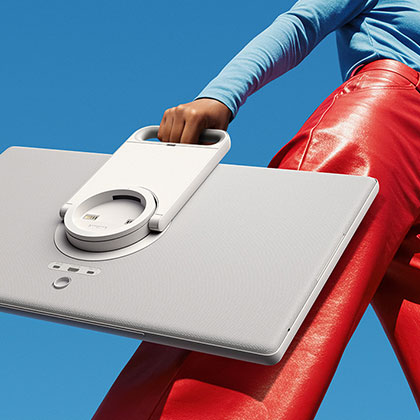
기술은 점점 더 가까워지고, 스크린은 일상의 경계를 넘어 확장되고 있다.
2D의 섬세한 디테일과 3D의 공간감이 공존하는 스페이셜 사이니지,
시청 경험을 움직임으로 확장한 더 무빙스타일,
터치 인터랙션으로 일상 속 새로운 스크린 경험을 제안한 더 프리미어5,
일상을 갤러리로 바꾸는 더 프레임 TV까지,
우리는 이제 화면을 ‘보는’ 시대를 넘어,
공감하는 스크린과 함께 살아가는 시대를 살고 있다.
이 전시는 기술의 진보가 아닌, 인간 중심 디자인이 이끄는 미래의 방식을 이야기 한다.
스크린은 우리를 대신해 느끼고, 이해하고 연결한다.
빛과 소리, 움직임과 감정이 하나로 엮이며,
기술은 점점 더 인간을 닮아가고
우리의 일상은 감성으로 확장된 새로운 공간이 된다.
Future : Living with Emotion은
인간과 기술, 감성과 공간이 교차하는 지점에서
“무엇이 진정한 삶의 경험인가” 묻는다.
이것은 다가올 미래의 이야기가 아니라,
오늘, 우리의 감성이 기술과 만나는 순간에 관한 이야기이다.
기술은 인간의 마음을 이해하고,
감성은 그 기술을 인간답게 만든다.
Technology is closer to our lives than ever,
and screens have expanded beyond the boundaries of everyday life — now they touch the way we live and feel.
From the Spatial Signage, which merges the delicate detail of 2D with the spatial depth of 3D,
to The MovingStyle, which extends the viewing experience into movement,
to The Premiere 5, which reimagines everyday life through touch interaction,
and The Frame TV, which transforms daily moments into art —
we now live in an era that goes beyond simply “looking at” screens;
we live with them — with screens that resonate with our emotions.
This exhibition is not about what technology can do,
but about how human-centered design understands us —
how it feels with us, connects to us, and becomes part of who we are.
The screen feels with us, understands us, and connects us.
Light, sound, motion, and emotion intertwine
as technology becomes increasingly human-like,
and our daily lives expand into new, emotionally enriched spaces.
Future: Living with Emotion
stands at the intersection of humanity and technology —
where feeling takes form,
and design becomes empathy.
This is not a story of the future yet to come,
but of this very moment —
the moment when emotion meets technology.
Technology comes to understand the human heart,
and emotion humanizes it.
전시품 소개
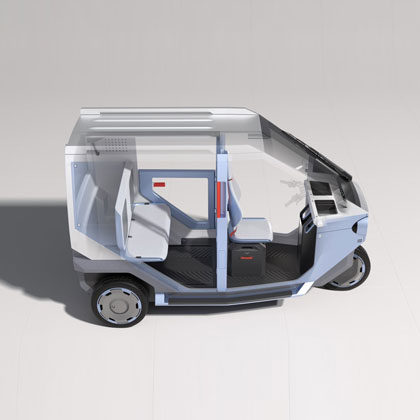
E3W & E4W
전시품 소개
From Memory to Innovation
LG전자는 스마트홈 디바이스를 기반으로 한 인공지능 서비스와 사용자 맞춤형 인터페이스를 통해, 기술과 일상의 경계를 허무는 생활 중심 혁신을 실현해 왔다. 공간 데이터를 활용한 상황 인식형 제어, 기기 간 유기적 연동, 그리고 사용자의 행동 분석을 통해, 인간의 감각과 공간의 변화를 정밀하게 감지하고 이에 반응하는 새로운 생활 경험을 제안한다. 축적된 기술 유산을 바탕으로 미래를 향한 혁신의 방향을 모색하며, 과거의 상상력과 현재의 스마트 기술이 공존하는 지점을 통해 LG전자의 브랜드 정체성과 진화의 흐름을 드러낸다.
LG Electronics has long realized life-centered innovation that transcends the boundary between technology and everyday life through AI-driven services and personalized interfaces built on smart home devices. By utilizing spatial data for context-aware control, seamless interconnection between devices, and behavioral analysis, LG proposes a new lifestyle experience that sensitively perceives and responds to human senses and spatial changes. Building on its accumulated technological heritage, the company continues to seek directions for future innovation—revealing LG’s brand identity and evolutionary trajectory at the intersection of past imagination and present smart technology.
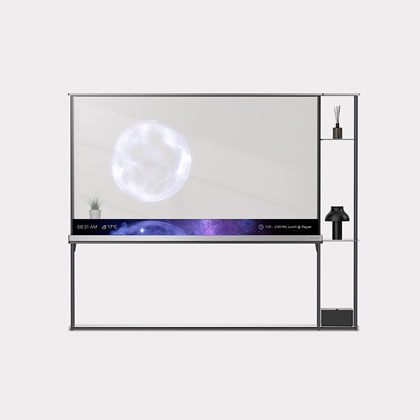
LG 시그니처 올레드 T
LG SIGNATURE OLED TV LG의 디스플레이 기술은 ‘공간 속 TV’의 개념을 새롭게 정의한다.
LG’s display technology redefines the concept of a “TV within space.”
마이컵
MyCup<마이컵>은 개인 맞춤형 웰니스와 환경적 책임을 결합하며, LG전자가 추구하는 지속 가능한 혁신(Sustainable Innovation)의 방향을 제시한다. 이 제품은 개인의 음용 패턴을 분석하여 물 섭취 습관을 관리하고, 자동 세정 및 살균 기능을 갖춘 스마트 지속 가능형 디바이스다. 하루의 루틴 속에서 데이터를 기반으로 건강과 환경을 함께 관리하는 생활 기술로서 의미를 지닌다.
헤리티지 시리즈: A-501 & D-301
Heritage Series: A-501 & D-301 1960년대 금성사 시절의 라디오 A-501과 선풍기 D-301은 한국 산업디자인의 출발점을 보여주는 대표적 제품이다. 공기와 소리를 매개로 인간의 일상에 스며든 이 제품들은 기술이 삶에 침투하던 초창기의 상징적 유산으로, 오늘날 LG전자의 디자인 철학이 인간 중심 기술(Human-centered Technology)에 기반하고 있음을 보여준다. 이러한 기술적 기억을 현재의 시선으로 재조명하며, 과거와 미래가 공존하는 브랜드 정체성을 시각화한다.
The A-501 radio and D-301 fan, created under GoldStar in the 1960s, represent the origins of Korean industrial design. Mediating air and sound in everyday life, these products stand as symbolic legacies of the early era when technology first entered the home. They reveal how LG’s current design philosophy remains grounded in human-centered technology. By reinterpreting this technological memory through a contemporary lens, LG visualizes a brand identity in which the past and future coexist.
퓨리케어 시리즈: 하이드로타워, 에어로사운드, 에어로퍼니처, 에어로캣타워
PuriCare Series: HydroTower, AeroSound, AeroFurniture, AeroCat Tower 퓨리케어 시리즈는 공기, 습도, 조명, 사운드를 통합 제어하는 융복합 실내 환경 솔루션으로 진화해 왔다. 에어컨에서 출발한 공기 제어 기술은 공기청정기를 거쳐 하이드로 타워로 이어지며, 하나의 공간 안에서 공기의 질과 감성을 통합 관리하는 단계로 발전했다. 또한 에어로 시리즈는 단순한 에어 케어 제품이 아닌, 가구, 조명, 오디오, 반려동물용품 등을 결합한 감성형 공간 오브제로 구현되었다. 이는 기술의 기능성을 넘어 공간 경험을 디자인하는 방향으로 확장된 LG의 환경 철학을 반영한다.
The PuriCare Series has evolved into an integrated indoor environment solution that harmonizes air, humidity, lighting, and sound control. Originating from air-conditioning technology, LG’s air management expertise has progressed through air purifiers to the HydroTower, advancing toward comprehensive control of air quality and ambience within a single space. The Aero Series expands beyond air care to integrate furniture, lighting, audio, and pet-oriented functions, creating emotionally engaging spatial objects. This reflects LG’s environmental philosophy—shifting from functional technology to the design of holistic spatial experiences.
5. 스탠바이미 시리즈: 스탠바이미 2, 스탠바이미 Go
StanbyME Series: StanbyME 2 & StanbyME Go<스탠바이미 2>와<스탠바이미 go>는 디스플레이를 이동형 사용자 경험 플랫폼으로 확장한 제품이다. 화면의 높이, 각도, 방향을 자유롭게 조정하며, 사용자의 위치와 콘텐츠 이용 방식에 따라 개인화된 시청 환경을 제공한다. 이는 TV의 개념을 고정된 기기에서 유연하고 휴대 가능한 미디어 오브제로 전환하며, LG전자가 추구하는 공간 제약 없는 사용자 경험을 구체적으로 구현한다.
StanbyME 2 and StanbyME Go extend the display into a mobile user-experience platform. Their height, angle, and orientation can be freely adjusted, allowing users to enjoy personalized viewing environments based on their position and content preference. These products transform the concept of a TV from a fixed appliance into a flexible, portable media object, realizing LG’s vision of a spatially unrestricted, user-centric experience.
전시품 소개
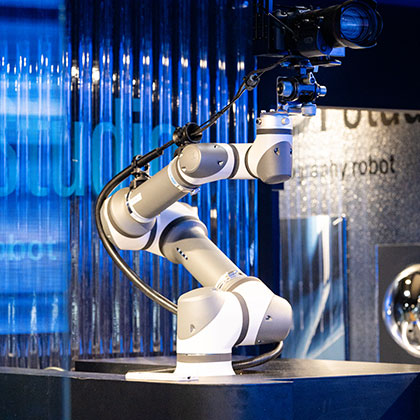
AI 촬영 로봇 솔루션
Gency PB: AI Photography Robot Solution
스튜디오랩은 인공지능과 로보틱스 기술을 결합해 이미지 생산의 방식을 새롭게 재정의하는 스타트업이다. 이를 통해 사진 촬영의 패러다임을 전환하고, 커머스 업계의 디지털 전환(DX)을 돕고 있다.
STUDIO LAB is a startup that merges AI and robotics to redefine how images are produced. Through this approach, the studio seeks to shift the paradigm of photography while supporting the digital transformation (DX) of the commerce industry.
전시품 소개
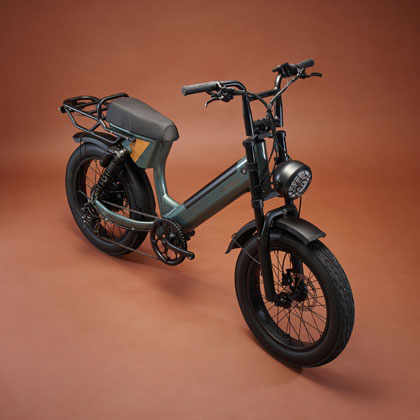
전기자전거로 확장하는 액티브 라이프
Expanding Active Life with E-Bikes
알톤은 퍼스널 모빌리티의 다양성을 기반으로, 전기자전거를 통해 우리의 액티브 라이프스타일을 확장하는 브랜드로, 자토바이, 팻바이크, MTB 등 다양한 유형의 제품을 통해 일상적 이동에서 레저와 스포츠까지 폭넓은 경험을 제안한다.<파이톤 16>,<파이톤 20>은 경량화된 프레임과 안정적인 주행 성능으로 도심과 근거리 이동에 적합한 자토바이형 전기자전거이다.<알마타 fb>는 넓은 타이어로 안정성과 주행의 즐거움을 높인 팻바이크이며,<스페이드 s>는 오프로드와 도심 모두를 아우르는 액티브 MTB로 설계되었다. 세 가지 유형의 전기자전거에는 배터리 충진재 적용, 고온 및 저온 차단, 스파크 방지 등 안전한 배터리 보호 기술이 탑재되어 있다. 전기 모빌리티 이용에서 흔히 제기되는 화재와 폭발에 대한 불안감을 최소화하며, 누구나 안심하고 사용할 수 있는 신뢰성을 제공한다. 전기자전거는 동시대 모빌리티의 다양성과 안전성을 동시에 담아내며, 개인의 라이프스타일을 능동적으로 확장하는 도구로 자리한다.
Alton is a brand that expands active lifestyles through electric bicycles, built on the diversity of personal mobility. By offering various models such as city bikes, fat bikes, and mountain bikes, Alton provides a wide range of experiences from everyday commuting to leisure and sports.
전시품 소개
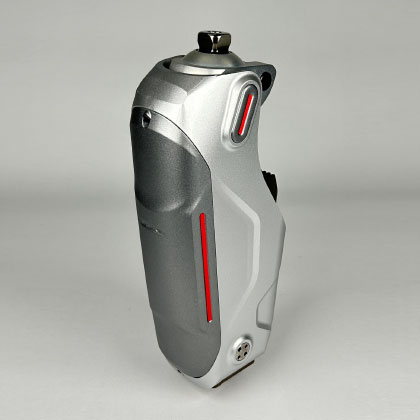
존엄을 지탱하는 걸음: K-Leg V2, 생체모사형 제너레이티브 의족
Every Step with Dignity: K-Leg V2, Biomimetic Generative Prosthetic Leg
근로복지공단 재활공학연구소는 장애인의 자립과 사회 참여를 지원하기 위해, 사용자 중심의 보조기기 연구와 디자인 혁신을 이어가고 있다. 의족을 단순한 의료 장치가 아닌, 일상을 확장하는 도구로 바라보며 형평성과 접근성을 넓히는 데 주목한다. 굿디자인 어워드에서 인정받은
The Rehabilitation Engineering Research Institute of the Korea Workers’ Compensation & Welfare Service pursues user-centered research and design innovation to support the independence and social participation of people with disabilities. Prosthetic limbs are not viewed merely as medical aids, but as tools that expand daily life while advancing equity and accessibility.
전시품 소개
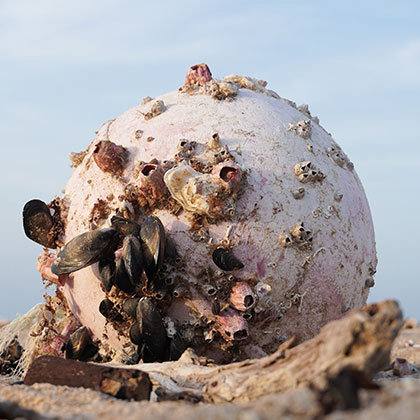
뉴 락
New Rock
장한나는 자연과 인간이 만든 쓰레기 사이의 경계, 특히 플라스틱이 풍화되어 돌처럼 변화하는 과정을 탐구한다.<뉴 락>은 버려진 플라스틱이 파도, 바람, 태양 등의 자연 요소에 노출되어 암석처럼 굳어진 오브제를 수집, 관찰, 기록하는 실천의 여정이다. 작품은 전국의 해안가에서 채집된 뉴 락 표본과, 채집 현장의 영상, 근접 촬영 사진, 관찰 드로잉 등 다양한 매체를 통해 구성된다. 암석화된 플라스틱의 질감과 형태를 확대하여 보여주는 영상과 사진은 자연의 운동과 기후 위기의 역설적 아름다움을 동시에 드러낸다. 뉴 락은 인간의 욕망과 자본주의적 생산, 소비의 결과물이지만, 동시에 자연의 일부로 재혼합되어 신자연(New Nature)으로 새로운 생태계를 이룬다. 해안의 쓰레기가 자연 속에서 돌처럼 굳어가는 뉴 락의 모습은 일종의 지질학적 증언(geological testimony)이자 기후 위기의 시간성을 환기시킨다. 플라스틱 돌(plastic rock)의 세밀한 형상들은 자연과 쓰레기 사이의 경계, 그리고 인간의 생산과 소비가 남긴 궤적을 성찰하게 한다.
Chang Hanna explores the boundary between nature and human-made waste, focusing on the process in which plastic weathers and transforms into rock-like forms. New Rock is a journey of practice that collects, observes, and documents objects of discarded plastic that have been hardened like stones under the forces of waves, wind, and sunlight. The project brings together specimens collected along coastlines across Korea, accompanied by site-specific videos, close-up photographs, and observation drawings. Videos and images magnifying the textures and forms of fossilized plastic reveal both the movements of nature and the paradoxical beauty of the climate crisis. New Rocks are the outcomes of human desire and capitalist production and consumption, yet they recombine into nature to form a New Nature—an emergent ecology. The sight of once-invisible coastal waste solidifying into stone-like formations serves as a kind of geological testimony, evoking the temporality of the climate crisis. The intricate forms of these plastic rocks invite reflection on the blurred boundaries between nature and waste, and on the enduring traces left by human production and consumption.
전시품 소개
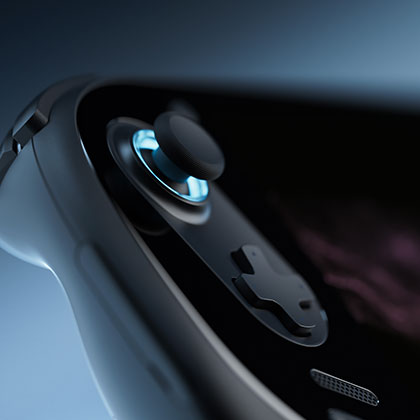
Essential Laboratory
세컨드화이트는 “Only the Essentials”을 철학으로, 감각적이며 미니멀한 화이트 오브제와 공간, 경험을 제공하는 디자인 스튜디오이다. 산업 제품에서 첨단 기술과 AI에 이르기까지, 급변하는 환경 속에서 디자인의 본질을 탐구하며, 제품이 지닌 고유의 미학과 정체성을 기술과 감성의 언어로 융합한다.
Second White is a design studio guided by the philosophy of “Only the Essentials,” creating sensorial yet minimal white objects, spaces, and experiences. From industrial products to cutting-edge technology and AI, the studio explores the essence of design within rapidly changing contexts, fusing the inherent aesthetics and identity of products with the languages of technology and emotion.
전시품 소개
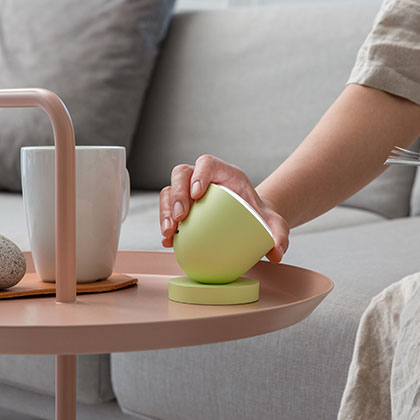
Blending
비밥은 사람과 사물 사이의 감성적 연결고리를 중심으로, 제품, 가전, 가구, 소품 등 다양한 분야에서 기능성과 감성을 융합한 디자인을 선보이는 디자인 스튜디오다. 첨단 기술을 직관적이고 친근한 조형 언어로 풀어내며, 단순한 전자기기처럼 보이는 제품이 사용자의 감각과 연결되는 사물로 재해석되는 과정을 탐구한다. 비밥은 사물이 완성되기까지의 스케치, 시나리오, 프로토타입 등 언어 단위의 스펙트럼을 전시를 통해 제시한다. 현대 큐밍 딜라이트 정수기(Hyundai Quming Delight water purifier), 스테나 아키텍 가습기(Stena Arkitek humidifier), SK브로드밴드 AI 4 vision 셋탑 박스(SK broadband AI 4 vision set-top box), 아메리칸 스탠다드 수전(American Standard faucets)과 같은 다양한 디자인 제품이 제작되는 과정에서 남겨진 스케치, 설계 도면, 재료 샘플, 레퍼런스 이미지 등 수기 자료가 실제 사물과 함께 배치된다. 관람객은 이러한 자료를 따라가며, 제품이 기술적 기능과 함께 인간적인 상상, 위트, 즉흥적 감성과 뒤섞여 완성되는 과정을 직감적으로 경험할 수 있다. 이는 인간적 감각과 상상의 흔적을 담아내는 창작 행위임을 드러낸다.
Bebop is a design studio that focuses on emotional connections between people and objects, presenting works that integrate functionality and sensibility across products, appliances, furniture, and accessories. By translating advanced technology into intuitive and approachable forms, the studio explores how objects that might appear to be mere electronic devices can be reinterpreted as things that engage directly with human perception. The exhibition presents a spectrum of the “language of making,” from sketches and scenarios to prototypes, tracing how products come into being. Works such as the Hyundai Quming Delight water purifier, Stena Arkitek humidifier, SK Broadband AI 4 Vision set-top box, and American Standard faucets are displayed alongside their developmental materials, including sketches, design drawings, material samples, and reference images. By following these traces, visitors can experience firsthand how technological functions are interwoven with human imagination, wit, and spontaneity in the making of a product. The display reveals design as an act of creation that preserves the marks of human sensibility and imagination.
전시품 소개
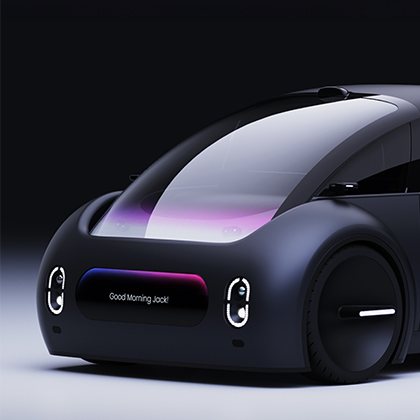
NOOQ, Alfred, ROOT
헤이테이트는 미래 세대의 생활 환경과 인간-기계의 관계를 상상하며, AI와 제품 디자인을 결합한 실험적 프로젝트를 제시한다. KIST 인공지능연구단과 협업한 두 로봇과 자동차, 공간이라는 매체를 경유하며, 개인화, 공존, 생태에 관한 주제를 탐구한다.
HEY TATE is a design laboratory that imagines future living environments and human–machine relationships through experimental projects combining AI and product design. In this exhibition, the design laboratory presents three works—each addressing themes of personalization, coexistence, and ecology through automobiles, robots, and spatial devices.
1. NOOQ 김은영 (디렉터), 이수하, 김하은(디자이너)
Tate Eunyoung Kim (Director) @tatekim00
Lee Suha (Designer) @leesuha_design
Kim Haeun (Designer) @hnkinn
2. Alfred (HEY TATE x KIST) 김은영(디렉터), 방영준(디자이너), 키스트(인공지능연구단 협업): 임화섭(단장), 윤수현, 황인혁(엔지니어)
Tate Eunyoung Kim (Director) @tatekim00
Bahng Youngjoon (Designer) @joon_b__
KIST (AI Engineering Collaboration): Lim Hwasup (Director), Yun Suhyun (Engineer), Hwang Inhyeok (Engineer)
3. ROOT (HEY TATE x KIST) 김은영(디렉터), 박원정, 엘지디샤이마, 이시온(디자이너), 키스트(인공지능연구단 협업): 임화섭(단장), 윤수현, 황인혁(엔지니어)
Tate Eunyoung Kim (Director) @tatekim00
Park Wonjeong (Designer) @crizy_92
El jyidi Chaimae (Designer) @sshaima_ejd_work
Lee Sion (Designer), @zxionlee
KIST (AI Engineering Collaboration): Lim Hwasup (Director), Yun Suhyun (Engineer), Hwang Inhyeok (Engineer)
전시품 소개
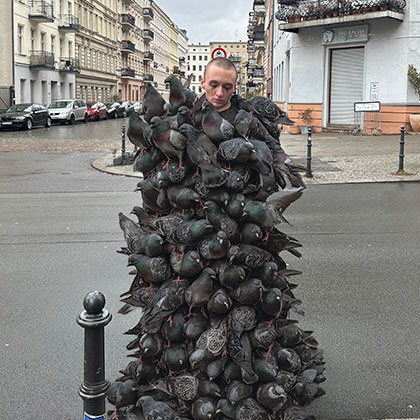
TRIBUTE TO™
트리뷰트 브랜드는 크로아티아를 기반으로 활동하는 디지털 패션 브랜드이다. 현실 의류의 물성과 한계를 넘어 가상 환경에서 새로운 패션 경험을 창조한다. 사이즈, 젠더 고정관념, 시즌제 등 기존 패션 시스템의 제약을 벗어나 누구든 사진을 전송하면 디지털 의상을 착용할 수 있는 합성 서비스를 제공한다. 이를 통해 패션의 사용성과 소유 방식을 재정의하며, 단순한 스타일 제안을 넘어 지속가능성, 환경 문제, 사회적 가치까지 확장되는 새로운 문화적 비전을 제시한다. 이러한 비전은 2020년 시작된 ‘프리미엄 피팅 서비스(Premium Fitting Service™)’를 통해 구체화되었다. 인공지능을 사용하지 않고 자체적으로 개발한 도구와 프로세스를 활용해 디지털 의상을 제작한 이 시리즈는 트리뷰트 브랜드가 디지털 패션의 가능성을 탐구하기 시작한 초기 실험이었다. 이 라인은 이후 등장한 〈Tribute TO™〉의 기반이자 전신으로서, 디지털 제작 방식에서 인공지능 기반의 생성적 디자인으로 발전하는 과정의 출발점이 되었다. 브랜드의 대표 라인인 〈Tribute TO™〉는 AI를 활용해 디자인한 디지털 의상을 이미지나 영상 속 인물에 합성하여 독창적인 착장 경험을 제공한다. 또한 이 디지털 패션 오브젝트들은 메모지(Memoji), 로브록스(Roblox), 포트나이트(Fortnite) 등 다양한 플랫폼과 환경에서 유연하게 변주되며, 하나의 디자인이 여러 가상 세계로 확장되는 과정을 보여준다. 〈Tribute TO™〉의 실험적 시도와 성과를 한국 관객에게 선보이며, 디지털 패션이 제안하는 사회적·문화적 가치를 탐구한다. 관람객은 의상이 물성을 벗어나 데이터와 알고리즘으로 작동하는 방식, 그리고 그것이 새로운 정체성과 미적 경험을 만들어내는 과정을 직접 목격하게 된다. 이를 통해 디지털 패션이 단순한 대체재가 아니라, 현실과 가상을 넘나드는 새로운 전시 언어이자 체험의 장이 될 수 있음을 확인할 수 있다.
Tribute Brand is a Croatia-based digital fashion label that creates new fashion experiences beyond the materiality and limitations of physical garments. By breaking away from conventional systems defined by size, gender stereotypes, and seasonal cycles, the brand offers a digital garment synthesis service where anyone can upload their photo and wear the purchased design virtually. In doing so, Tribute Brand redefines the usability and ownership of fashion, presenting a new cultural vision that extends beyond style into sustainability, environmental issues, and social values. This vision first took shape through Premium Fitting Service™, launched in 2020, which marked the brand’s early exploration of digital fashion through internally developed tools and processes, rather than artificial intelligence. Serving as the foundation and predecessor of its later work, this line established the aesthetic and conceptual groundwork for what would evolve into 〈Tribute TO™〉, the brand’s next step into AI-driven fashion design. The brand’s signature line, 〈Tribute TO™〉, uses artificial intelligence (AI) to design digital garments and merge them with images or videos of individuals, offering a unique experience of digital dressing. These fashion objects are also adapted across multiple platforms and environments—including Memoji, Roblox, and Fortnite—demonstrating how a single design can transform and expand into diverse virtual worlds. In this exhibition, 〈Tribute TO™〉 is presented as an experimental practice and outcome, introducing Korean audiences to the cultural and social values proposed by digital fashion. Visitors will witness how garments transcend material constraints to operate through data and algorithms, and how this process generates new identities and aesthetic experiences. Ultimately, digital fashion emerges not as a substitute for the physical, but as a new exhibition language and experiential medium that bridges the real and the virtual.
전시품 소개
심리스 모빌리티 라이프 Seamless Mobility Life
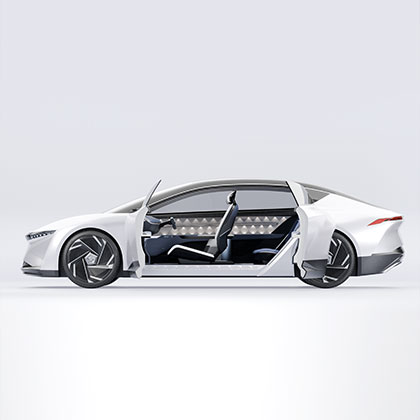
서연이화는 오랜 기간 자동차 내외장 부품 분야에서 축적해 온 정밀한 기술력과 감각적 디자인 노하우를 기반으로, 미래 모빌리티의 새로운 가치를 창조하고 있다. 기술과 디자인의 조화로운 융합을 통해 단순한 이동의 영역을 넘어, 인간의 감성과 삶의 질을 확장하는 이동 경험을 제안한다. 특히
Seoyon E-Hwa creates new values for future mobility, grounded in its long-cultivated expertise in precision technology and sensuous design accumulated in the automotive interior and exterior components sector. Through a harmonious fusion of technology and design, the company proposes a mobility experience that transcends mere transportation—one that expands human emotion and enhances the quality of life. In particular, through the projects Vision 2030 and Object-Type Future Space Design, Seoyon E-Hwa presents a new paradigm for the mobility lifestyle of the future.
Vision 2030 – OASIS
< Vision 2030 – OASIS> is Seoyon E-Hwa’s futuristic electrification concept model that envisions a mobile oasis—a place for brief rest and recharge within the city—in the era of autonomous driving. Through this project, the company realizes an emotionally responsive spatial experience that reacts to users’ emotions and conditions, suggesting a new direction for mobility where technology and sensitivity coexist. The exterior design, inspired by desert dunes, embodies graceful curves shaped by the wind and the flowing beauty of nature. The inclusion of coach doors enhances luxury, while the seamless lounge-like interior creates a smooth, continuous spatial flow. Inside, a muted color palette and matte materials minimize visual stimulation, while the use of sustainable materials and delicate finishes maximizes the user’s psychological comfort. When the vehicle’s signature Meditation Mode is activated, the steering wheel and front seats retract beneath the instrument panel, transitioning smoothly into autonomous driving. Lighting and spatial elements respond to users’ emotional states in real time, creating an immersive meditative environment of tranquil light and sound—like an oasis for the mind and body.
Re:Motion Livin